

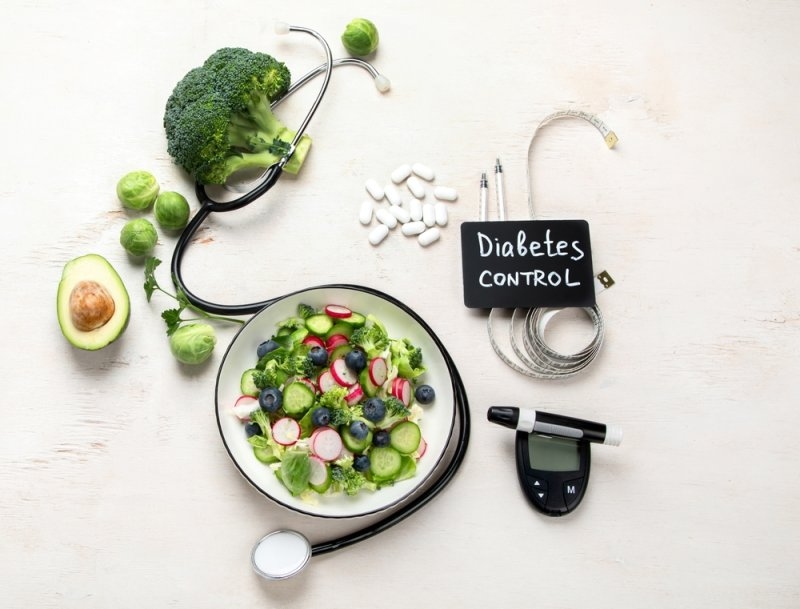
Managing your daily blood sugar effectively is essential for maintaining high energy levels, mental clarity, and long-term health. According to clinical data published by the Centers for Disease Control and Prevention (CDCP), over thirty-seven million Americans live with diabetes, while another 96M adults have prediabetes. Navigating daily glucose management can feel overwhelming when balancing meal planning, busy work schedules, and family responsibilities.
Feeling tired after eating or experiencing sudden energy crashes creates frustration that impacts your daily quality of life. Understanding how lifestyle choices influence internal glucose balance helps you regain physical energy and emotional well-being.
In this comprehensive guide, we explore targeted strategies for maintaining stable glucose levels throughout the day. We will cover natural management techniques, dietary adjustments, physical activity benefits, and stress reduction methods to support your metabolic health journey.
Glucose serves as the primary energy source for cells throughout your body, powering brain functions, muscle movements, and metabolic systems. Your body breaks down carbohydrates into glucose, which enters your bloodstream after digestion. The pancreas releases insulin, a key hormone that unlocks cells to allow glucose to enter and fuel daily activity.
When insulin production becomes insufficient, or cells grow resistant to its effects, glucose builds up in your bloodstream. Over time, persistently elevated glucose levels damage small blood vessels, nerves, and organs across your body.
A blood sugar test is a diagnostic or monitoring procedure that measures the concentration of glucose circulating in your blood at a specific moment. These tests can be performed in clinical settings or at home using a finger-prick glucometer or a continuous glucose monitor.
Regular testing helps healthcare providers evaluate how well your body processes carbohydrates, adjust medication dosages, and identify early signs of insulin resistance or diabetes.
Testing your glucose levels correctly ensures accurate readings to guide your daily health decisions. You can test using a standard home glucometer by placing a small droplet of blood from a fingertip prick onto a test strip or by applying a wearable continuous glucose monitor (CGM) sensor to your skin for real-time tracking throughout the day and night.
Knowing what constitutes a normal blood sugar range helps you interpret daily monitoring numbers accurately. It is better to know what is a normal blood sugar level is at 3 times of the day.
Essential Reads: Stage 2 Kidney Disease Care Guide For Early Protection
Pinpointing the triggers behind high blood sugar spikes makes daily management significantly easier.
Processed foods like white bread, sugary sodas, and baked pastries break down rapidly during digestion. This rapid breakdown floods your bloodstream with glucose, overwhelming your body's natural insulin response.
Physical or emotional stress triggers your adrenal glands to release cortisol and adrenaline. These hormones prompt your liver to convert stored glycogen back into glucose, elevating blood levels even when you have not eaten.
Getting less than seven hours of quality sleep increases insulin resistance and elevates stress hormones. Sedentary routines reduce the rate at which muscle tissues absorb glucose from your bloodstream.
Sudden low blood sugar, medically known as hypoglycemia, occurs when glucose levels drop below normal thresholds, often leaving you feeling shaky, dizzy, sweaty, or anxious. Understanding the common factors behind rapid drops helps you take prompt preventive action.
Implementing structured dietary habits provides a reliable foundation for long-term blood sugar control.
Soluble fiber forms a gel-like substance in your digestive tract, slowing down carbohydrate breakdown and nutrient absorption. Incorporate legumes, oats, flaxseeds, and leafy green vegetables into daily meals to prevent sharp glucose spikes.
Consuming carbohydrates alongside lean proteins and healthy fats delays gastric emptying. Adding avocados, nuts, eggs, or skinless poultry to meals balances glucose release and keeps you feeling full longer.
Eating excessive quantities at once overloads digestive pathways regardless of food quality. Using smaller plates, chewing food thoroughly, and monitoring portion sizes supports steady digestion throughout the day.
Adopting consistent lifestyle adjustments enhances overall blood sugar management and boosts daily vitality through proven daily practices. Here are 6 strategies to manage blood sugar effectively:
Try This: Unlocking the Secrets To Control High Blood Pressure
Achieving steady energy levels throughout your waking hours requires intentional daily choices that prevent sharp metabolic spikes and deep energy dips. Implementing a few small adjustments across your routine creates a protective buffer against unexpected sugar surges.
Taking proactive control of your metabolic health transforms your energy levels and long-term physical vitality. Throughout this guide, we examined what glucose is, explained blood sugar testing, identified target ranges, and reviewed primary triggers behind both high and low readings. We detailed natural dietary strategies, such as increasing soluble fiber and pairing carbohydrates with lean proteins.
Furthermore, we highlighted the vital roles that post-meal movement, proper hydration, quality sleep, and stress reduction play in keeping readings stable. By building consistent health habits, you protect your body against long-term complications and enjoy balanced daily energy.
Sustaining a vibrant, healthy lifestyle becomes far simpler when you rely on trusted, research-backed insights. Educating yourself on proper nutrition, health monitoring, and wellness habits gives you the confidence needed to make informed choices every single day. Explore expert medical perspectives, pharmaceutical updates, and evidence-based wellness guides today at Pharma Communique.
Drinking adequate plain water helps your kidneys flush excess glucose out of your body through urine. Proper hydration rehydrates your bloodstream, dilutes sugar concentrations, and supports efficient kidney function, making water an essential component of daily glucose management.
The dawn phenomenon refers to a natural early morning surge in glucose levels that occurs between 3:00 AM and 8:00 AM. Hormones such as cortisol and growth hormone naturally signal the liver to release stored glucose to prepare your body for waking up, which can cause elevated morning readings.
Alcohol interferes with your liver's ability to release stored glucose into the bloodstream because the liver prioritizes metabolizing alcohol. This interference can cause delayed hypoglycemia, especially when consuming alcoholic beverages on an empty stomach or while taking certain insulin medications.
Studies suggest that consuming a small amount of diluted apple cider vinegar before meals may improve insulin sensitivity and slow gastric emptying. This delayed digestion helps reduce sharp post-meal glucose spikes, though it should complement rather than replace established dietary choices.
Resistance training and weightlifting build lean muscle mass, creating additional storage capacity for glycogen. Active muscles absorb glucose directly from the bloodstream for energy during contraction, reducing reliance solely on insulin and helping lower blood glucose levels over time.
This content was created by AI